Insurance and Safety
 Insurance and safety are essential parts of delivering reliable, responsible services. Whether a project involves work on-site, in a property, or around members of the public, a strong safety culture helps reduce risk and supports confidence at every stage. Our approach combines public liability insurance, structured staff training, appropriate PPE, and a clear risk assessment process designed to protect people, property, and operations.
We believe that health and safety is not just a legal requirement; it is a core part of professional standards. By planning carefully and keeping procedures up to date, we aim to create safer working conditions and maintain consistent service quality. Every task is reviewed with attention to possible hazards, environmental conditions, and the specific needs of the project, ensuring that safety remains a priority from start to finish.
 Public liability cover plays a vital role in our overall safety framework. Public liability insurance helps protect against claims arising from accidental damage or injury involving third parties. This provides an additional layer of reassurance where work may affect clients, visitors, or the general public. Alongside insurance, we maintain documented controls to reduce the likelihood of incidents and to support swift, appropriate action should an unexpected event occur.
Staff training is a key part of our commitment to safe practice. New team members receive induction training that covers workplace expectations, hazard awareness, reporting procedures, and safe work methods. Ongoing refresher sessions help keep knowledge current and reinforce best practice. We also encourage a strong understanding of emergency procedures, manual handling, and site-specific risks so that staff can respond confidently and responsibly in changing conditions.
 Training is regularly reviewed to ensure it reflects current legislation and the realities of day-to-day work. Where specialist tasks are involved, additional instruction is provided so that employees understand the correct equipment, the right sequence of actions, and the limits of their role. This focus on competence supports both staff welfare and service reliability, reducing the chance of avoidable mistakes and helping to maintain high standards of safe working.
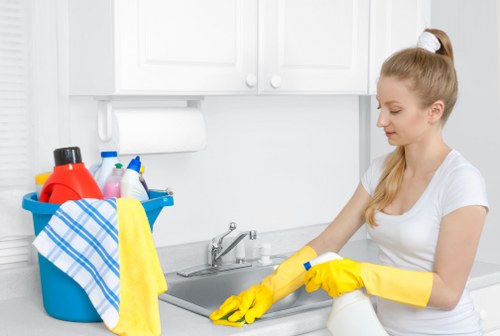
PPE, or personal protective equipment, is issued and used according to the demands of each job. Depending on the environment, this may include gloves, high-visibility clothing, protective footwear, eye protection, or hearing protection. The correct personal protective equipment helps reduce exposure to hazards that cannot be eliminated entirely. We also check that PPE remains in good condition, fits properly, and is worn when required, because even the best equipment is only effective when used correctly.
Our risk assessment process is designed to identify hazards before work begins and to review them as conditions change. Each assessment considers the nature of the task, who may be affected, the severity of potential harm, and the measures needed to control risk. We look at access routes, weather, equipment use, working height, slip hazards, and any public interface, making sure that controls are practical and proportionate.
Once risks have been identified, we apply a hierarchy of control measures, prioritising elimination or reduction at source wherever possible. This may include isolating areas, using barriers, adjusting work schedules, or assigning additional supervision. The objective is to make insurance and safety part of an active system rather than a reactive one. Documentation is maintained so that decisions can be tracked and updated, giving structure to everyday operational safety.
 We also place importance on communication. Team briefings help ensure that everyone understands the plan for the day, any unusual hazards, and the steps required to manage them. If conditions change, the assessment is revised and the team is informed promptly. This flexible approach helps keep workplace safety aligned with real-world conditions and supports a culture in which concerns can be raised early and addressed without delay.
In practice, the combination of insurance, training, PPE, and risk assessment creates a robust safety structure. Public liability insurance provides financial protection, while staff training builds competence and confidence. PPE offers immediate physical protection, and the risk assessment process ensures that hazards are identified and controlled in a systematic way. Together, these elements help safeguard people and support smooth, professional operations.
We also recognise that safety management works best when it is consistent. That means using the same careful standards on every job, recording checks where needed, and encouraging responsibility at all levels of the team. Good safety practice reduces disruption, helps prevent incidents, and contributes to a stable working environment. It also demonstrates a commitment to doing work properly, with respect for everyone involved.
 Our overall aim is to deliver services with confidence, care, and attention to detail. By maintaining suitable insurance coverage, investing in ongoing training, using appropriate PPE, and applying a thorough risk assessment procedure, we help ensure that safety remains central to the way we work. This balanced approach supports dependable service and reinforces a strong standard of professional conduct.