Communal Area Cleaning: Creating Safer, Cleaner, and More Welcoming Shared Spaces
Why Communal Area Cleaning Matters for Modern Buildings
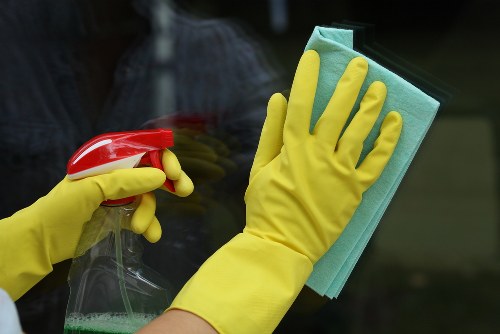
Communal area cleaning plays a major role in how people experience apartments, office buildings, residential blocks, student housing, and mixed-use properties. These shared spaces are the first places residents, visitors, and staff encounter, so their condition shapes first impressions immediately. A tidy lobby, polished hallway, and hygienic lift area can make a building feel cared for, secure, and comfortable.
When communal area cleaning is neglected, the effect is visible fast. Dust gathers in corners, fingerprints appear on glass and door handles, and odors can spread through shared corridors. In contrast, regular cleaning of communal areas helps maintain a pleasant environment, reduces health risks, and supports property value over time. For landlords, facilities managers, and residents, this is not just about appearance; it is about functionality and wellbeing.
Shared spaces are used by many people every day, which means dirt builds up quickly. Communal area cleaning therefore requires a routine approach, the right products, and consistent attention to detail. It is a practical investment that keeps high-traffic zones safe, welcoming, and easier to maintain. Whether the property is large or small, good cleaning practices make a measurable difference.
What Communal Area Cleaning Includes
Communal area cleaning covers all shared and frequently used parts of a building. These areas are typically touched, walked through, and used by multiple occupants each day, making them more prone to dirt and contamination. The scope may differ depending on the property, but the goal remains the same: maintain cleanliness, hygiene, and order throughout the space.
Common tasks in communal area cleaning include sweeping and mopping floors, vacuuming carpets, cleaning stairs, wiping handrails, disinfecting touchpoints, and removing litter. In many buildings, cleaners also take care of entrance mats, lift interiors, mail areas, bin stores, and glass panels. Some services include periodic deep cleaning, such as scrubbing grout, polishing flooring, or washing walls.
Typical communal spaces that need routine attention include:
- Entrances and lobbies
- Hallways and corridors
- Stairwells and landings
- Elevators and lift buttons
- Shared laundry rooms
- Bin and waste storage areas
- Reception areas and communal lounges
Every property is different, so a reliable cleaning plan should be built around foot traffic, layout, and resident expectations. The more often an area is used, the more frequently it will need attention.
Health, Hygiene, and Safety Benefits
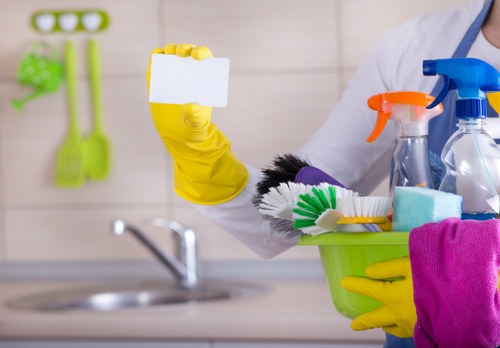
One of the strongest reasons to invest in communal area cleaning is hygiene. Shared surfaces are touched repeatedly throughout the day, which makes them potential transmission points for germs and bacteria. Door handles, lift buttons, handrails, and intercom systems are especially important to keep clean. Regular disinfecting can reduce the spread of illness and improve overall safety in the building.
Clean communal areas also help reduce slips, trips, and falls. Dust, moisture, and debris on stairs or entryways can create hazards for everyone, particularly children, older adults, and people with mobility concerns. A consistent cleaning schedule helps keep surfaces dry, visible, and free from obstructions.
There is also a psychological benefit. People generally feel more comfortable in buildings that smell fresh and look well maintained. A clean environment can lower stress, encourage respectful use of shared spaces, and reduce complaints. In this way, communal area cleaning supports not only physical health but also community wellbeing.
Key hygiene priorities in shared spaces
When planning communal area cleaning, it helps to focus on the places people touch most often and the areas where dirt accumulates fastest. These usually include:
- High-touch points such as switches, buttons, and door handles
- Floor surfaces that collect dust and outdoor debris
- Waste areas that can produce odors and attract pests
- Ventilation-sensitive spaces where stale air can build up
Well-managed cleaning routines can make a noticeable difference to both hygiene and peace of mind.
How to Build an Effective Communal Area Cleaning Schedule
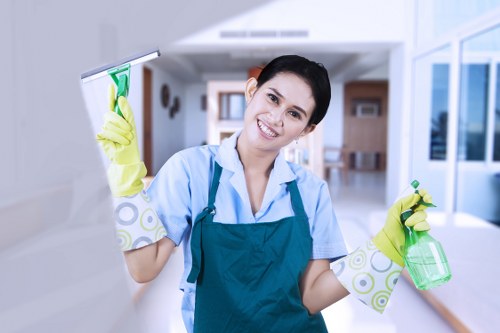
A strong communal area cleaning plan starts with a clear schedule. Not every shared space needs the same level of attention, so timing should reflect usage patterns, occupancy, and seasonal factors. For example, a busy apartment block may need daily lobby cleaning, while less frequently used upper corridors may only require service several times per week.
The most effective schedules include a mix of daily tasks, weekly tasks, and periodic deep-cleaning work. Daily tasks usually cover visible and high-touch zones. Weekly tasks may include more detailed dusting, glass cleaning, or stairwell washing. Monthly or quarterly visits can focus on carpets, fabric upholstery, floor polishing, or hard-to-reach surfaces.
Below is a simple structure that can be adapted to most buildings:
- Daily: empty bins, clean entrances, disinfect touchpoints, sweep floors, and mop hard surfaces
- Weekly: wash glass, vacuum carpets, clean stair rails, and check for staining or buildup
- Monthly: deep-clean floors, remove scuff marks, inspect ventilation grilles, and refresh neglected corners
- Seasonal: address mud, pollen, salt residue, or wet-weather debris more intensively
Consistency is more important than intensity. A smaller building with regular cleaning often looks better than a larger one cleaned sporadically. Communal area cleaning works best when it is predictable, documented, and reviewed often.
Why Professional Communal Area Cleaning Delivers Better Results
While some buildings rely on in-house caretakers or resident volunteers, professional communal area cleaning often delivers stronger and more reliable results. Trained cleaners understand how to work efficiently in shared properties, how to clean different flooring types safely, and how to handle high-touch surfaces without causing damage. They also know how to maintain a consistent standard across all areas.
Professional teams bring specialist tools and products that improve both speed and quality. Microfiber systems, disinfectants, vacuum equipment with HEPA filtration, and targeted stain removers can produce a higher level of cleanliness than general household tools. This matters in communal area cleaning because shared environments need both visible tidiness and deeper hygiene control.
Another advantage is accountability. A professional service can operate to a written checklist, provide regular inspections, and adapt to building needs over time. This is especially useful for property managers who must balance budgets, resident expectations, and compliance responsibilities. In many cases, outsourcing communal area cleaning saves time and reduces complaints.
Signs a professional service is the right choice
Consider professional support if the property has any of the following:
- High daily foot traffic
- Multiple floors or complex access points
- Frequent complaints about dirt or odors
- Shared amenities that require detailed cleaning
- Limited time or staff for routine upkeep
Book your service now if you want to raise standards and maintain a better environment for everyone who uses the building.
Common Challenges in Communal Area Cleaning
Communal area cleaning can be straightforward when the building is small and usage is low, but many properties face recurring challenges. One of the most common is inconsistent use. Some areas may be heavily trafficked during the morning and evening, while others remain quiet for long periods. This can create uneven dirt buildup and make planning more difficult.
Another challenge is shared responsibility. In residential buildings especially, people may assume someone else will deal with litter, spillages, or general upkeep. Without a clear cleaning routine, small problems accumulate quickly. Over time, this can result in stained carpets, unpleasant smells, and damaged surfaces.
Weather also affects communal area cleaning. Rain, mud, leaves, salt, and snow can all be tracked inside, especially at entrances and stairwells. Seasonal changes may require more frequent floor care and mat cleaning. In urban settings, dust and pollution can further accelerate buildup on windowsills, ledges, and glass.
How to overcome these issues
A practical approach includes regular inspections, clear communication, and a cleaning plan tailored to the building. Simple steps such as using entrance mats, placing bins strategically, and encouraging residents to report spills early can reduce the burden. Prevention is always easier than correction, and it makes communal area cleaning more efficient.
For properties with ongoing issues, a deeper review may be needed to adjust frequency, products, or staffing levels. The right schedule should respond to actual conditions rather than relying on assumptions.
Best Practices for High-Quality Communal Area Cleaning
Good communal area cleaning depends on more than just making spaces look neat. It requires a methodical process, appropriate products, and attention to the details that users notice most. A polished floor is helpful, but clean corners, fresh air, and spotless touchpoints are equally important.
To improve results, cleaners should work from top to bottom and from clean to dirty areas. This avoids recontaminating surfaces and creates a smoother workflow. Starting with dusting and high-level cleaning, then moving on to floors and waste removal, is a practical method that reduces repetition.
The following practices often lead to better outcomes:
- Use color-coded cloths and mops to prevent cross-contamination
- Choose products suitable for the surface being cleaned
- Disinfect high-touch areas regularly
- Remove waste before it overflows
- Pay attention to corners, edges, and hidden spots
- Inspect the area after cleaning for missed marks or debris
Small details that make a big difference
Residents and visitors often notice details more than major tasks. Smudged glass, dusty skirting boards, dirty lift mirrors, or sticky handrails can create the impression that a building is poorly maintained. Communal area cleaning should therefore include the finishing touches that turn a space from acceptable to truly well presented.
Reliable standards are built through repetition, care, and attention to detail. That is what keeps shared spaces looking clean day after day.
Communal Area Cleaning for Different Property Types
Not all buildings need the same approach. Communal area cleaning in a modern apartment complex will differ from cleaning in a small office block, student residence, or mixed-use building. The purpose of the space, level of traffic, and type of flooring all affect the cleaning plan.
In residential settings, residents expect comfort, cleanliness, and a sense of home. Hallways, stairwells, and entrance zones must feel safe and welcoming. In office environments, the focus may shift toward professionalism, presentation, and hygiene during working hours. Student housing often needs more frequent waste removal and stain control because occupancy turnover can be high.
Mixed-use properties require special coordination because public access areas and private zones may have different cleaning needs. A good communal area cleaning service can adapt to these distinctions without disrupting daily activity.
Examples of building-specific focus areas
- Apartment blocks: entrances, mail areas, stairwells, lifts, and refuse rooms
- Offices: reception zones, corridors, restrooms near shared sections, and meeting room access points
- Student accommodation: kitchens, corridors, laundry rooms, and bin areas
- Mixed-use developments: shared entrances, lobbies, and common passageways
Tailoring the service ensures that communal area cleaning remains effective and cost-efficient. One-size-fits-all methods often fail because shared spaces are not all used in the same way.
Eco-Friendly Approaches to Communal Area Cleaning
Sustainability is becoming more important in property management, and communal area cleaning can support greener practices without sacrificing results. Many buildings now prefer cleaning products that are biodegradable, low in harsh chemicals, and safe for frequent use. This can help improve indoor air quality while reducing environmental impact.
Eco-friendly communal area cleaning often includes microfiber cloths, controlled chemical use, reusable tools, and efficient water consumption. These practices reduce waste and can extend the life of surfaces by avoiding overly aggressive products. For properties with children, pets, or sensitive occupants, this approach may also feel more reassuring.
There are several easy ways to make cleaning more sustainable:
- Use concentrated cleaning products correctly to avoid overuse
- Switch to reusable cleaning cloths and mop heads where possible
- Choose low-odor solutions for enclosed areas
- Clean efficiently to reduce unnecessary water and energy use
Sustainable cleaning does not mean weaker cleaning. In many cases, it simply means smarter cleaning. A thoughtful communal area cleaning routine can protect both the building and the environment.
How to Measure the Success of Communal Area Cleaning
The quality of communal area cleaning should be visible not only in appearance but also in resident satisfaction and operational efficiency. Building managers can measure success by checking whether common issues are decreasing, whether complaints are less frequent, and whether surfaces remain in good condition longer.
Regular inspections are one of the best ways to monitor performance. These can be done by property managers, caretakers, or cleaning supervisors. A simple checklist may include floor condition, smell, dust levels, waste management, and the cleanliness of touchpoints. Over time, this creates a clear picture of what is working and what needs improvement.
Useful indicators of strong communal area cleaning include:
- Fewer complaints about dirt, odors, or litter
- Better first impressions from visitors and contractors
- Longer-lasting floors, mats, and fixtures
- Improved safety in stairwells and entryways
- More consistent presentation across all shared areas
Why ongoing review matters
Buildings change over time. Occupancy levels rise and fall, weather shifts, and usage patterns evolve. A cleaning plan that worked last year may need adjustment today. Reviewing communal area cleaning regularly keeps the service aligned with the property’s real needs and helps avoid waste.
When standards are monitored consistently, it becomes easier to maintain a clean, pleasant, and well-managed environment.
Final Thoughts on Maintaining Shared Spaces
Communal area cleaning is much more than a basic maintenance task. It supports hygiene, safety, comfort, and the overall image of a property. Shared spaces are used constantly, so they need a reliable system that keeps them fresh and functional every day. When cleaning is done well, the benefits are obvious to everyone who walks through the building.
From entrance halls to stairwells, from lift interiors to waste areas, every part of a shared environment contributes to how the building feels. A strong cleaning plan helps prevent problems before they start, reduces wear and tear, and creates a better experience for residents, employees, and visitors. That is why communal area cleaning should be treated as an essential part of property care rather than an afterthought.
If your building needs a more consistent standard, now is the right time to act. Contact us today to discuss a solution that suits your property, and book your service now to keep your shared spaces clean, safe, and welcoming all year round.