Deep Cleaning for a Healthier, Fresher, and More Organized Space
Deep cleaning is more than a quick tidy-up or a surface-level wipe down. It is a thorough, targeted approach to removing built-up dirt, dust, grime, allergens, and hidden contaminants from every corner of a home or workspace. Whether you are preparing for a seasonal reset, moving into a new place, or simply wanting a cleaner environment, deep cleaning can make a remarkable difference in how a space looks, feels, and functions.
Unlike routine cleaning, deep cleaning reaches into overlooked areas such as baseboards, vents, behind appliances, under furniture, and inside cabinets. This process helps improve indoor air quality, supports a healthier lifestyle, and extends the life of fixtures, flooring, and furnishings. If you have ever noticed that a room still feels “off” even after regular cleaning, the answer is often a proper deep cleaning session.
In this article, we will explore what deep cleaning involves, why it matters, the most important areas to focus on, how often it should be done, and how to approach it efficiently. You will also find practical tips, checklists, and smart strategies to make deep cleaning feel manageable rather than overwhelming.
What Deep Cleaning Really Means

Deep cleaning is the process of cleaning a space more thoroughly than standard upkeep. While regular cleaning keeps visible surfaces neat, deep cleaning services or a detailed DIY session address grime that builds up over time in hidden and hard-to-reach places. It often includes scrubbing, disinfecting, degreasing, polishing, and removing accumulated debris from areas that are commonly neglected.
This type of cleaning is especially valuable in homes with children, pets, frequent visitors, or people with allergies or asthma. It is also useful in offices, rental properties, kitchens, bathrooms, and any setting where sanitation and presentation matter. A well-done deep cleaning can transform the atmosphere of a room, making it feel brighter, lighter, and more comfortable.
Deep cleaning is not just about appearance; it is about maintenance. When dirt, grease, soap scum, and dust are allowed to accumulate, they become harder to remove and can eventually damage surfaces. Regular deep cleaning protects your investment in your home or workplace and helps preserve a cleaner environment over time.
Why Deep Cleaning Matters
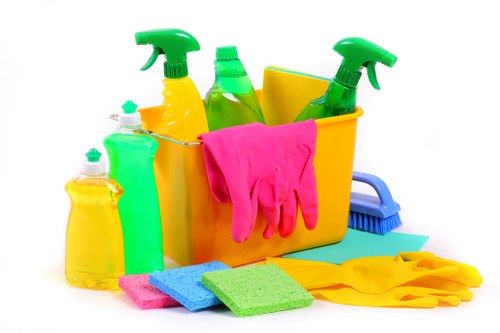
There are many reasons why deep cleaning should be part of your regular routine. First, it helps reduce allergens like dust mites, pet dander, and pollen that can linger on upholstery, carpets, and vents. Second, it cuts down on bacteria and germs that may be hiding on high-touch surfaces, in bathrooms, and around food preparation areas. Third, it creates a more pleasant and inviting space for everyone who uses it.
Another major benefit of deep cleaning is stress reduction. Clutter and dirt can make a room feel chaotic even when you are not consciously aware of it. A thoroughly cleaned space often supports better focus, better sleep, and a greater sense of calm. That is why many people schedule deep cleaning before major life events, after renovations, or at the start of a new season.
From a practical standpoint, deep cleaning can also save money. Removing buildup from appliances improves efficiency, cleaning drains can help prevent clogs, and caring for floors or surfaces can reduce wear and tear. When done consistently, deep cleaning becomes a form of preventive maintenance rather than a last-minute fix.
Key Differences Between Regular Cleaning and Deep Cleaning
It is easy to confuse regular cleaning with deep cleaning, but they serve different purposes. Regular cleaning focuses on routine tasks such as wiping counters, vacuuming floors, washing dishes, and taking out the trash. These actions maintain a basic level of cleanliness and help prevent messes from getting out of hand.
Deep cleaning, on the other hand, goes much further. It includes tasks like cleaning behind the refrigerator, scrubbing tile grout, dusting ceiling fans, washing baseboards, sanitizing light switches, and cleaning inside cabinets or drawers. It often takes more time and requires more detailed effort, but the results are far more noticeable and longer-lasting.
A helpful way to think about it is this: regular cleaning maintains, while deep cleaning restores. Both are important, but deep cleaning brings a space back to a healthier and more polished condition.
Areas Commonly Included in a Deep Cleaning

A successful deep cleaning plan should target the areas that most people overlook. These can vary depending on the layout of the property, but some spaces should almost always be included. Paying attention to these details is what separates a basic clean from a true deep cleaning experience.
- Baseboards, trim, and door frames
- Light fixtures, ceiling fans, and vents
- Behind and beneath furniture and appliances
- Inside cabinets, drawers, and closets
- Bathroom grout, tile, and shower doors
- Kitchen appliances, backsplash, and sinks
- Window tracks, blinds, and sills
- High-touch points such as switches, handles, and remotes
These areas often collect dust, grease, and residue slowly over time, which is why they are easy to miss. Once they are cleaned, however, the improvement in cleanliness is usually immediate and very satisfying.
How Often Should Deep Cleaning Be Done?
The ideal frequency for deep cleaning depends on your lifestyle, the size of your space, and the level of daily activity. For many homes, a full deep cleaning is done seasonally, or about three to four times a year. Households with pets, young children, or heavy foot traffic may benefit from more frequent attention.
Some people choose to deep clean specific areas on a rotating basis rather than tackling the entire property at once. For example, the kitchen may be deep cleaned one month, bathrooms the next, and bedrooms after that. This approach can make the process feel more manageable and help maintain a consistently cleaner environment.
If you notice lingering odors, visible buildup, dull surfaces, or an overall feeling of heaviness in your space, it may be time for another deep cleaning session even if your regular schedule says otherwise. The condition of your environment should always guide your timing.
Deep Cleaning the Kitchen

The kitchen is one of the most important areas for deep cleaning because it is where food is prepared, stored, and consumed. Grease, crumbs, spills, and moisture can create an environment where dirt accumulates quickly. A thorough deep cleaning in the kitchen improves hygiene and helps the space feel fresh again.
Focus on wiping down cabinet fronts, cleaning inside drawers, scrubbing the sink, and sanitizing countertops. Appliance cleaning is equally important. Ovens, microwaves, refrigerators, dishwashers, and small appliances all gather hidden grime that can affect performance and appearance. Do not forget the range hood, backsplash, and under-sink areas, which are often overlooked.
For the best results, remove items from shelves and drawers before cleaning, so you can reach every surface. Use appropriate cleaning products for stainless steel, glass, stone, tile, and wood to avoid damage. A careful kitchen deep cleaning can make the entire home feel more organized and inviting.
Deep Cleaning the Bathroom
Bathrooms require special attention because they are exposed to moisture, soap residue, body oils, toothpaste buildup, and bacteria. A proper deep cleaning session should include scrubbing toilets, sinks, tubs, showers, grout lines, faucets, mirrors, and floors. Areas around the base of the toilet and behind fixtures should also be cleaned thoroughly.
Shower doors and tiles often collect hard water stains and soap scum that are difficult to remove with routine cleaning alone. Using the right products and allowing them time to break down buildup can make the process much easier. Vent fans and exhaust areas should also be dusted or wiped down to support better airflow and reduce moisture issues.
When bathrooms are deeply cleaned, they do more than shine. They feel sanitary, smell fresher, and create a better overall impression for anyone using the space. That is why deep cleaning is so valuable in both residential and commercial bathrooms.
Deep Cleaning Bedrooms and Living Areas
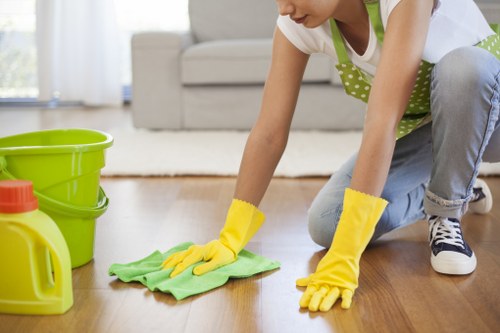
Bedrooms and living rooms are places of rest and relaxation, but they can still hide significant dust and debris. Upholstery, rugs, curtains, fan blades, and under-furniture areas often collect particles that routine cleaning may miss. A detailed deep cleaning can make these spaces feel brighter and more restful.
Start with dusting from top to bottom so debris falls to the floor before vacuuming. Clean behind beds, under sofas, and along baseboards. Wash bedding, pillow covers, and curtains where appropriate. If the room has carpets or rugs, consider steam cleaning or spot treatment to refresh the fibers and remove embedded dirt.
Living spaces also benefit from decluttering during the deep cleaning process. Items that no longer serve a purpose can be donated, stored, or discarded. A cleaner room is often easier to maintain once it has been simplified.
Tools and Supplies for Effective Deep Cleaning
Having the right tools makes deep cleaning far more efficient. While the exact supplies will vary depending on the surface and the level of buildup, some basics are especially useful for most projects. Proper preparation saves time and helps you work with confidence.
- Microfiber cloths and dusters
- All-purpose cleaner and disinfectant
- Glass cleaner
- Scrub brushes and sponges
- Mop, vacuum, and broom
- Degreaser for kitchens
- Bathroom cleaner and grout brush
- Protective gloves
- Trash bags and storage bins
It is also smart to keep labels and cleaning instructions nearby, especially when using products on delicate surfaces. A thoughtful approach to deep cleaning helps protect both your space and your health.
How to Prepare for a Deep Cleaning Session
Preparation matters just as much as the cleaning itself. Before starting, gather supplies, open windows if possible, and remove clutter from the area you plan to clean. Sorting items into keep, donate, toss, and relocate piles can make the job faster and more effective.
Set a realistic schedule for the work. Deep cleaning is often easier when broken into sections, such as one room at a time or one category at a time. If you are cleaning a large property, consider starting with the areas that affect daily comfort the most, such as the kitchen, bathroom, and bedroom.
It also helps to work from top to bottom and from clean to dirty. That means dusting high surfaces first, then moving to lower surfaces and finally floors. This method prevents you from having to redo work and keeps the process more efficient.
Deep Cleaning Checklist by Room
Having a checklist can make deep cleaning more organized and less stressful. Here is a practical room-by-room outline that can be adapted to most homes.
Kitchen Checklist
- Clean inside and outside of cabinets
- Degrease stovetop and hood
- Scrub sink, faucet, and drain
- Clean refrigerator shelves and drawers
- Wipe appliances and backsplash
Bathroom Checklist
- Disinfect toilet, sink, and counters
- Scrub shower, tub, and tile
- Clean mirrors and fixtures
- Remove buildup from grout and corners
- Wash mats and wipe vents
Bedroom Checklist
- Dust all surfaces and décor
- Vacuum under the bed
- Wash bedding and curtains
- Clean windows and blinds
- Organize closets and drawers
Using a checklist ensures that your deep cleaning effort is consistent and complete. It also gives you a sense of progress as you move through each item.
Common Mistakes to Avoid During Deep Cleaning
Even with good intentions, people sometimes make mistakes that reduce the effectiveness of deep cleaning. One of the most common errors is using too much product. More cleaner does not always mean better results, and excess residue can leave surfaces sticky or dull. Another mistake is skipping the prep stage, which can make the work more difficult than necessary.
Some people also clean in the wrong order, which causes dust and debris to settle on areas that were already cleaned. Others forget about hidden places such as under appliances, along vents, or behind furniture. Another issue is using the wrong product on sensitive surfaces, which can cause scratches, discoloration, or damage.
To avoid these problems, follow instructions carefully, work systematically, and take your time. A thoughtful deep cleaning process is usually more effective than a rushed one.
When to Consider Professional Deep Cleaning
While many people can handle deep cleaning on their own, there are times when professional help is worth considering. If the space is very large, if the buildup is extensive, or if you simply do not have the time or energy to do it properly, a professional service can save effort and deliver high-quality results.
Professional deep cleaning services are also useful after events, during move-in or move-out periods, after renovations, or when a space has not been cleaned thoroughly in a long time. Trained cleaners often have specialized equipment and methods that help them reach tough spots more efficiently.
Hiring help does not mean you are avoiding responsibility; it means you are choosing the best solution for your needs. In many situations, it is a smart investment in cleanliness, comfort, and peace of mind.
Seasonal Deep Cleaning Tips
Seasonal cleaning is one of the easiest ways to stay ahead of buildup. Many households use spring, summer, fall, and winter as natural reminders to refresh different parts of the home. A seasonal deep cleaning plan keeps things from becoming overwhelming and helps your space adapt to changing weather and routines.
In spring, focus on windows, vents, upholstery, and closets to clear away winter dust. In summer, pay attention to high-traffic areas, entryways, and moisture-prone rooms. Fall is a great time to prepare the home for more indoor living, while winter cleaning often centers on cozy, sanitized spaces and clutter reduction.
By syncing your deep cleaning schedule with the seasons, you create a rhythm that feels practical and easy to maintain. This method also helps you notice problems early, before they turn into larger issues.
The Long-Term Benefits of Deep Cleaning
One of the biggest advantages of deep cleaning is that its benefits last well beyond the day the work is done. The space looks better, smells better, and feels more comfortable. Dust and allergens are reduced, which can support healthier breathing and a more enjoyable indoor environment.
Over time, regular deep cleaning can help surfaces last longer and reduce the need for major repairs or replacements. Floors stay in better condition, appliances remain more efficient, and surfaces are less likely to suffer from accumulated grime. This makes deep cleaning not just a cosmetic task, but a valuable part of property care.
There is also a mental benefit. A thoroughly clean space can improve motivation, reduce mental clutter, and create a sense of order. When your environment feels fresh, it often becomes easier to stay organized and focused in other areas of life as well.
Final Thoughts on Building a Better Cleaning Routine
Deep cleaning is a powerful way to restore cleanliness, support health, and improve the feel of any space. Whether you do it yourself or choose deep cleaning services, the key is consistency and attention to detail. By focusing on hidden buildup, high-use areas, and neglected surfaces, you create a cleaner and more welcoming environment.
Start small if needed, build a realistic plan, and use the right tools for the job. The more often you incorporate deep cleaning into your routine, the easier it becomes to maintain a fresh and organized home or workspace. If your space is ready for a reset, book your service now or contact us today to take the next step toward a cleaner, healthier environment.